Drainage in Jewells
CCTV Drain Inspections Jewells
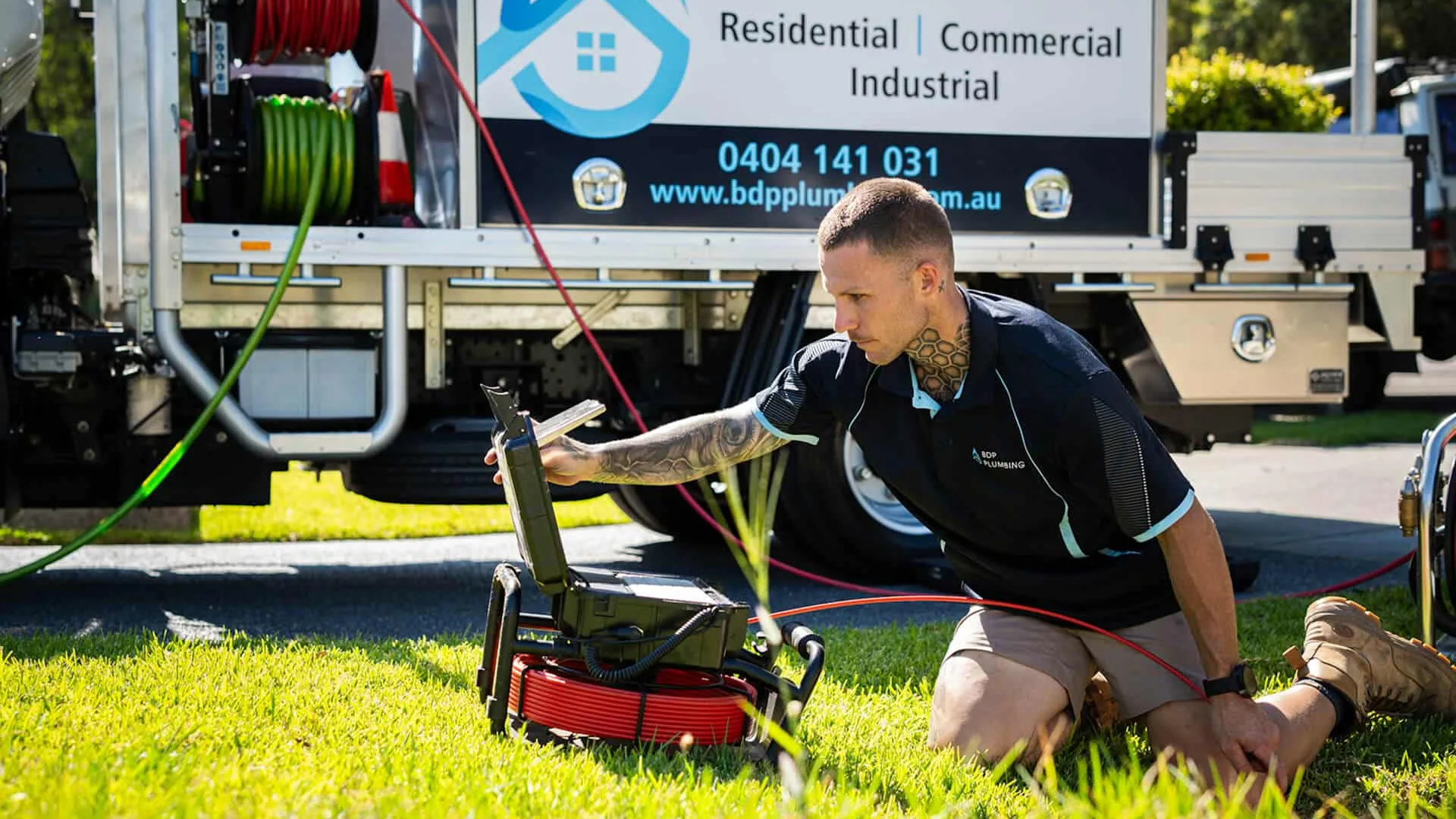
CCTV drain inspections put a camera inside the pipe, so you stop guessing about what is wrong and start looking at it. Plumbers Jewells runs camera inspections across Jewells and the nearby suburbs, with the footage explained on the spot and a quote for the fix before anything gets dug.
A drain cleared blind is a blockage that can come back. A drain cleared after a camera has shown why it blocked is a repair aimed at the cause, and that is the difference between paying once and paying three times.
What the Camera Shows Inside the Pipe
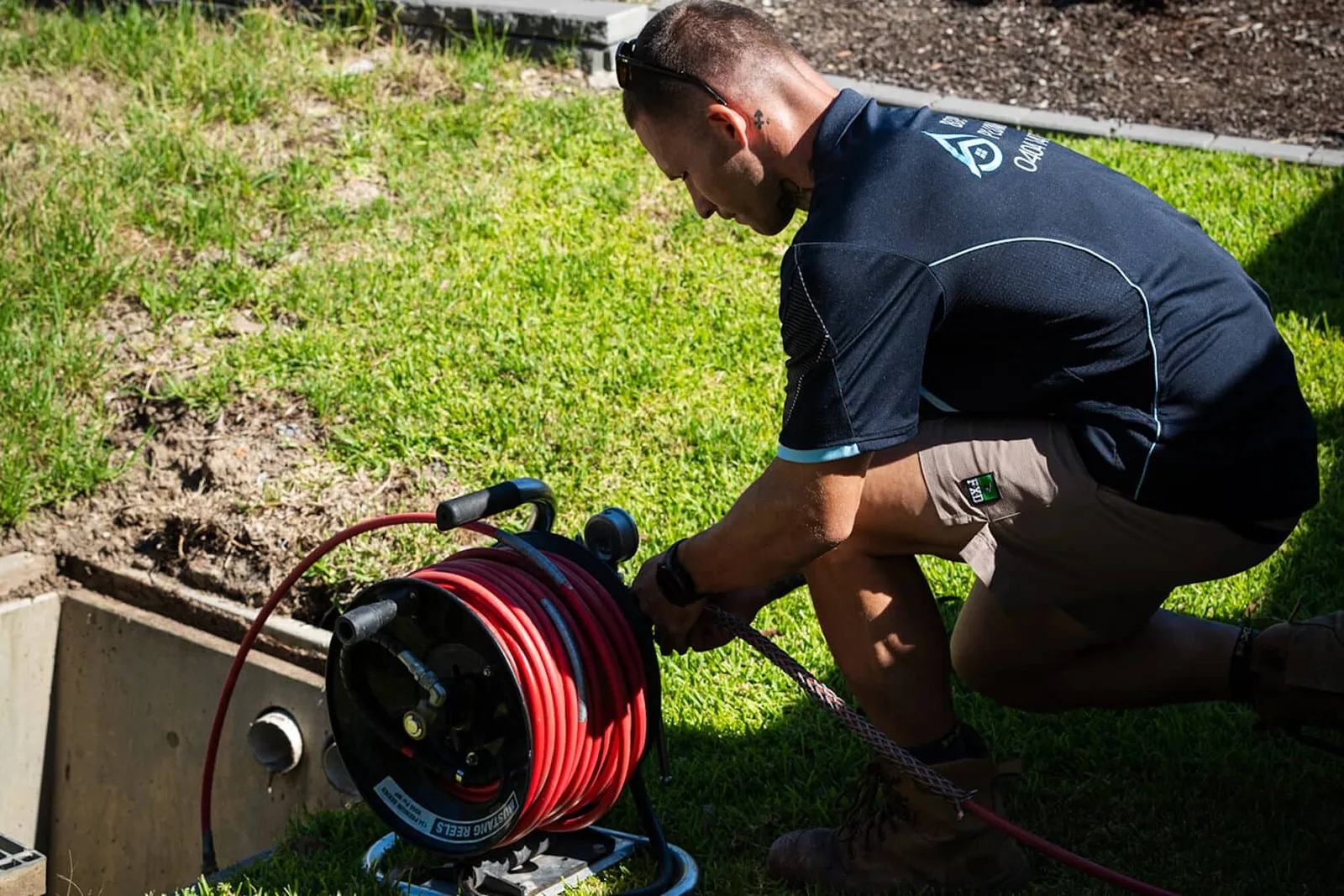
The camera head travels the full run from the nearest access point, recording everything it passes. Four findings come up again and again on local lines:
Fine sand working in from the coastal soils
Fine sand from the coastal soils around the wetland works into drainage joints over the years, gradually choking flow until a line that used to clear itself starts backing up.
Roots finding the older clay junctions
Roots from gardens planted decades ago reach the older clay and earthenware junctions beneath the 1970s-and-later estates, and a camera shows exactly which joints the roots have found.
Saturation around the below-ground lines
Low sandy ground near the swamp keeps the water table high, so below-ground lines stay wet all year and the camera shows whether saturation or a defect is to blame.
Stormwater lines that surge in heavy rain
The Jewells Swamp catchment answers heavy rain fast, so stormwater lines cop surges here, and footage shows whether your line can handle the load or hides a fault of its own.
Why a Look Beats a Guess Around the Swamp
Jewells sits low, on sand, beside a wetland that drains to the ocean.
Sand is the quiet one.
Roots are the loud one.
How an Inspection Runs
The process is simple and leaves your yard untouched until a repair is actually agreed:
- 1
Access and setup
We feed the camera in through an existing inspection opening or grate, so nothing is dug to get a look.
- 2
The run is recorded
The camera head runs the full length while we watch the footage live, noting defects and their distance along the pipe.
- 3
Findings explained on the spot
You see what we see. Sand, roots, cracks, displaced joints or a sound line, all walked through before we pack up.
- 4
The fix, quoted separately
If the footage shows a problem, you get a repair priced against the evidence, not against a guess. If the line is sound, you have paid for certainty and nothing more.
What Happens After the Footage
Four outcomes cover most inspections, and each one points to a different next step:
Nothing to fix.
A simple blockage.
Roots at a joint.
A structural defect.
When a Camera Pays for Itself
Some situations make the inspection the obvious first move rather than an extra:
- Repeat blockages, where clearing the line without knowing the cause just books you in again next month
- A blocked sewer that keeps returning, because roots and collapsed sections look identical from the surface
- Pre-purchase checks on the brick-veneer homes built through the suburb's 1970s-to-90s build-out, where original drains may still be in the ground
- Stormwater that surges every downpour, where the camera separates a household line fault from catchment pressure, as covered on blocked stormwater
- Before jetting, so the jetting targets the right section at the right pressure
If a camera run shows the line is blocked rather than damaged, the next step is usually a clear-out, and the footage makes that job faster too.
CCTV Drain Inspection Questions
Is a camera inspection worth it for a one-off blockage?
Usually yes. A single blockage can be a one-off, but the footage shows whether the pipe itself is sound, so a defect gets found now instead of after the next backup.
What does the footage actually show me?
You see the inside of the line as it travels: standing water, sand build-up, root intrusion, cracked or displaced joints, and how far along the run each problem sits.
Can you inspect pipes running under a slab?
Yes. The camera goes in from an existing access point, so under-slab runs get inspected without opening anything, which matters here where much of the housing is brick veneer on a slab.
How long does an inspection take?
Most residential inspections wrap up inside an hour. Longer runs, or a line with several junctions to check, take more time, and that shows in the quote before we start.
Do you mark the spot where the problem is?
We do. The camera head carries a locator signal, so we can flag the position and depth of a break or root intrusion on the surface before any excavation is priced.
Will an inspection catch roots before they block the drain?
It will. A camera picks up fine root hairs working through a joint long before they mat up and stop the line, which is the affordable moment to deal with them.
Plumbers in Jewells and the suburbs around it
Book a Camera Run
Call (02) 4063 3446 and tell us what's happening. $0 call out across Jewells, a clear quote before any work starts, and a job that gets made right if it isn't right the first time.
Camera work sits inside the wider drainage service, alongside clearing and jetting, and every inspection is carried out by licensed plumbers. If water is backing into the house right now, that is an emergency plumbing call instead, and we will bring the camera once the immediate problem is under control.